
What You Need to Know About Your Car Locks
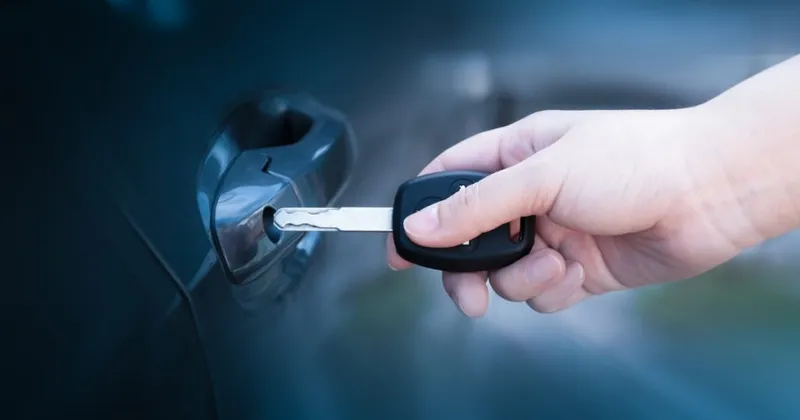
Car Locks Have Come a Long Way
The humble car door lock has evolved from a simple mechanical latch into a sophisticated, multi-layered security system. Understanding how your car’s locking mechanism works - and how to maintain it - helps you recognise problems early and respond appropriately when something goes wrong.
A Brief History of Car Lock Technology
Early mechanical locks were relatively simple key-and-tumbler systems, easily defeated by anyone with basic skills. As vehicle theft increased, manufacturers began developing more secure solutions.
Electronic central locking became widespread in the 1980s and 1990s. A key fob transmits a rolling code to the vehicle’s central locking system, changing with every use to prevent code-copying attacks.
Smart/proximity locking represents today’s standard on most new vehicles. The car continuously checks for the presence of your key fob; when it detects it within range, the doors unlock automatically. Push-button starting means the physical ignition is no longer required.
Types of Car Locks
Traditional Mechanical Locks
Still found on older vehicles and as a backup on many modern ones. Operated by a physical key that engages a series of pins in the lock cylinder. Reliable but vulnerable to picking and wear over time.
Central Locking with Remote Fob
The standard on most vehicles manufactured since the 1990s. The fob communicates with the car’s ECU via radio frequency. Modern systems use rolling codes that change with every use, making them very difficult to clone without specialist equipment.
Keyless Entry Systems
The fob is kept in your pocket or bag; the car detects its presence and unlocks automatically when you touch the door handle. This convenience comes with a security consideration: relay attack devices can amplify the fob’s signal from inside your home to unlock your car on your driveway. A signal-blocking pouch (Faraday bag) eliminates this risk.
Biometric Locks
Increasingly found on premium and electric vehicles, these use fingerprint scanners to authenticate the driver. Very secure, but require regular software updates and occasional re-enrolment.
Maintaining Your Car Locks
Good maintenance prevents the majority of car lock problems:
Clean regularly: Dirt, road salt, and debris accumulate in lock cylinders over time, causing stiffness and wear. Use compressed air to clear debris and apply a lock-specific lubricant - graphite powder or a silicone spray - twice a year. Avoid WD-40 and oil-based products, which attract dirt.
Look after your keys: A worn or bent key puts irregular stress on the lock cylinder’s internal pins. If a key feels noticeably harder to turn than it used to, have a fresh copy cut before the worn key causes a jam or breaks inside the lock.
Replace fob batteries proactively: Most key fobs give a warning as the battery weakens - reduced range before unlocking is often the first sign. Replace the battery at the first sign of reduced performance rather than waiting for it to fail completely.
Inspect for wear: Periodically check whether your key turns smoothly and the lock operates without resistance. Any progressive worsening warrants attention.
Common Car Lock Problems and Solutions
Stuck or Frozen Lock Cylinder
Summer: Dirt compaction - apply lock lubricant and work the key gently.
Winter: Ice formation inside the cylinder - use a proprietary lock de-icer spray rather than hot water (which refreezes). Heating the key with your hands or a lighter before inserting it can also help.
Key Fob Not Working
- Replace the battery (usually a CR2032 or CR2016 coin cell)
- Check for physical damage to the fob
- Re-sync the fob using the procedure in your owner’s manual
- If still not working, the fob’s circuit board may have failed - an auto locksmith can assess whether it needs reprogramming or replacement
Key Broken Inside the Lock
Do not attempt extraction with pliers unless the key protrudes significantly from the cylinder face. Forcing it risks pushing fragments deeper or damaging the internal pins. An auto locksmith can extract broken keys without cylinder damage in most cases.
Electronic Lock Malfunction
If the central locking system becomes unresponsive, try:
- Replacing the key fob battery
- Locking and unlocking manually with the mechanical key
- Checking for a blown fuse in the fuse box (consult your owner’s manual)
If these steps do not resolve the issue, the fault may lie with the body control module or central locking actuator, which requires professional diagnosis.
Car Lock Security Tips
Use a Faraday pouch: If your car uses keyless entry, this is the single most effective step against relay attacks. Store your keys in a signal-blocking pouch when at home.
Avoid leaving your fob in a visible location in the car: Even if the fob is switched off, it can potentially be accessed through the window.
Consider a visible deterrent: Steering wheel locks remain a highly effective deterrent because they make stealing the car time-consuming and conspicuous. Many insurers offer a discount for their use.
Keep your vehicle software updated: Modern car ECUs receive security patches; ensure your vehicle is updated when attending scheduled servicing. For a full overview of our vehicle locksmith capabilities, see our locksmith services page.
Need Help With Your Car Locks?
Whether you are dealing with a lock malfunction, a lost key fob, or simply want advice on improving your vehicle’s security, City Locksmith London provides expert auto locksmith services across London.