
What to Do to Protect Your Property From Burglars
Burglary Is Common - But Largely Preventable
The Office for National Statistics recorded approximately 402,000 burglaries in England and Wales in a single year. Most of these were opportunistic - a burglar trying doors and windows until they found an easy entry. That is important, because it means the majority of break-ins can be prevented by making your property a less attractive and more difficult target.
This guide takes a layered approach: physical security, electronic measures, and behavioural habits that together create a significantly more secure property.
Understand Your Vulnerabilities First
Before spending money on security products, walk around your property with a critical eye. Look for:
- Poorly lit approaches to doors and windows
- Entry points hidden from neighbours’ sight lines
- Locks that appear old, loose, or basic
- Unlocked side gates giving access to the rear
- Garden tools or ladders that could assist a break-in
A property that takes visible effort to breach and where any attempt would be noticed is far less likely to be targeted.
Physical Security
Doors
The front door is the most common entry point in residential burglaries. Your exterior doors should have:
- A five-lever mortice deadlock to BS 3621 standard (required by most insurers) on wooden doors
- An anti-snap Euro cylinder (TS007 3-star rated) on uPVC or composite doors - standard cylinders are vulnerable to the “snap and pull” technique used in over 90% of uPVC door break-ins
- Reinforced strike plates secured with 75mm screws driven into the structural timber behind the door casing
- Hinge bolts on the hinge side to prevent the door being levered from that side
If your locks do not meet these standards, a lock change is one of the most cost-effective security investments you can make.
Windows
- Fit key-operated window locks to all ground-floor and accessible upper-floor windows
- Use sash jammers to limit how far windows can be opened from outside
- Apply security film to vulnerable glass - this does not prevent breaking but holds shards together and slows entry significantly
- Never leave windows wide open when the room is unoccupied
Perimeter and Garden
- Install a lockable side gate - rear access is a primary method for burglars who want to work unobserved
- Use anti-climb topping on boundary walls where needed
- Remove climbing aids (wheelie bins, pallets, garden furniture positioned near walls or windows)
- Keep hedges and shrubs trimmed to eliminate concealment near doors and windows
Lighting
Motion-activated exterior lighting is one of the most cost-effective deterrents available. Install it at all entry points and along any approach paths. Burglars prefer darkness.
Electronic Security
Alarm Systems
A professionally monitored alarm system - one that alerts a response centre rather than simply sounding a siren - provides a meaningful deterrent and rapid response. Visible alarm boxes on the front of the property act as deterrents even before any activation.
CCTV
Cameras at front and rear door approaches, driveway, and side access points deter opportunistic crime and provide vital evidence if a break-in does occur. Choose cameras with:
- Full HD resolution
- Night vision
- Motion detection with phone alerts
- Cloud storage (so footage cannot be destroyed by smashing the recorder)
Smart Home Integration
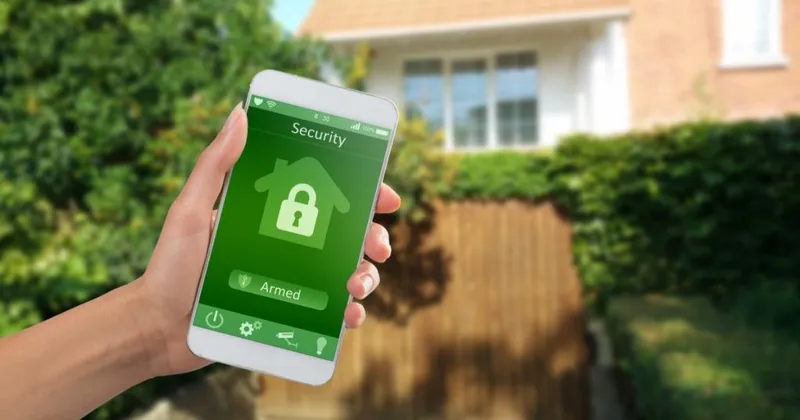
Smart home security platforms link cameras, door sensors, alarms, and smart locks into a single app. They can send immediate alerts to your phone when motion is detected or a door is opened unexpectedly. Remote monitoring means your home is never truly unattended.
Behavioural Security
Create the Appearance of Occupancy
An occupied home is far less attractive to burglars. Use timer switches to vary lighting and radio use patterns when you are away. Ask a neighbour to collect post so it does not pile up visibly.
Limit Social Media Disclosure
Posting about holidays, trips away, or empty properties on social media is increasingly being linked to burglary. Keep absence announcements private and post holiday photos after you return rather than while you are away.
Neighbourhood Watch
Communities with active neighbourhood watch schemes have consistently lower burglary rates. If your area does not have one, contacting your local Metropolitan Police ward team to set one up is straightforward.
Protecting Your Valuables
- Keep high-value items (jewellery, passports, important documents) in a wall-mounted or floor-bolted safe
- Mark property with your postcode using a UV pen - this deters thieves who know marked goods are harder to sell and easier for police to trace
- Maintain a home inventory (photos and serial numbers) stored in the cloud or elsewhere off-site for insurance purposes
After a Burglary
If your property has been broken into, do not touch anything until the police have attended. After the police visit:
- Have all affected locks replaced immediately - even if entry was through a window, change the door locks too in case keys were taken
- Conduct a full security review with a locksmith
- Contact your insurer and begin the claims process with your inventory documentation
City Locksmith London provides rapid response emergency locksmith services after break-ins, including same-day lock replacement and security upgrades.