
uPVC Door Locks: All You Need to Know to Keep Your House Secure
Understanding uPVC Door Locks
uPVC (Unplasticised Polyvinyl Chloride) doors are the most common type of external door fitted in UK homes. They are durable, weather-resistant, energy-efficient, and low maintenance. However, not all uPVC door locks are equal, and understanding the options available will help you make the most of your door’s security potential.
How uPVC Door Locks Work
A uPVC door locking system is made up of several interconnected components:
- The euro cylinder - the part into which you insert your key. The cylinder drives the entire locking mechanism.
- The gearbox - the internal mechanism that engages the locking points when the handle is lifted and the key is turned.
- The multi-point locking system - a series of hooks, bolts, and rollers positioned along the full length of the door edge, all engaged simultaneously by a single key turn.
This combination of components provides far stronger resistance to forced entry than a single-point lock.
Types of uPVC Door Locks
Euro Cylinder Locks
The most widely used lock type in uPVC doors. The cylinder is the replaceable heart of the system and is available at various security levels. Standard cylinders are vulnerable to cylinder snapping - a technique used by burglars in which the cylinder is sheared off to access the mechanism directly.
For any external uPVC door, you should fit a cylinder with anti-snap, anti-pick, and anti-drill protection. These cylinders include a sacrificial break point that causes the snap to occur outside the mechanism, leaving it intact and the door still locked.
Multi-Point Locking Systems
These systems secure the door at three or more points along the edge - typically the top, middle, and bottom - making it extremely difficult to lever or kick in. They are standard on most modern uPVC doors. If your door has an older single-point lock, upgrading to a multi-point system offers a significant improvement.
Mortice Locks
Less common in uPVC applications, mortice locks sit within the door itself and provide an additional locking point. They are more typically found in timber doors, but can be fitted to suitable uPVC panels.
Choosing the Right Lock for Your uPVC Door
When selecting or replacing a uPVC door lock, keep these factors in mind:
Security Rating
Look for cylinders that carry a recognised certification:
- Kitemark to BS TS007:2014 - the current British Standard for euro cylinders
- Sold Secure Gold - independently tested resistance against attack methods
- Secured by Design - a police-preferred specification
Correct Sizing
uPVC euro cylinders come in a range of sizes measured from the centre of the fixing screw to each end (e.g. 35/45mm). Fitting the wrong size creates a protruding cylinder that is more vulnerable to snapping. Measure carefully before purchasing.
Handle and Gearbox Compatibility
Not all cylinders are compatible with all gearboxes. If replacing just the cylinder, confirm compatibility with your existing mechanism or ask a locksmith to advise.
Installing and Maintaining Your uPVC Door Locks
Professional Installation
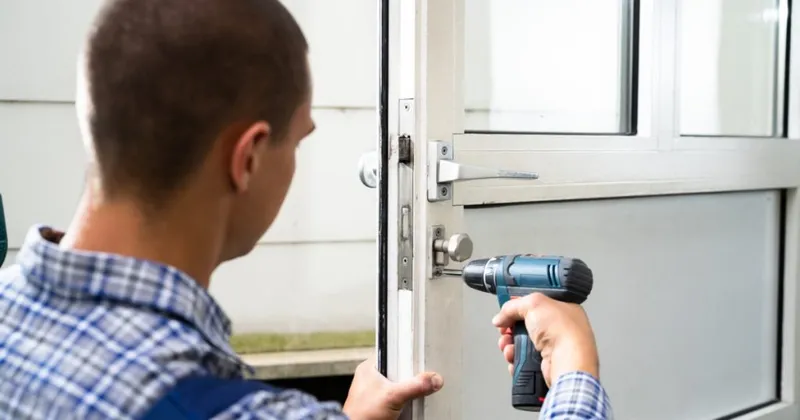
For the best results, have a qualified uPVC locksmith carry out any lock replacement or upgrade. A correctly fitted cylinder and properly adjusted multi-point mechanism will perform significantly better than a DIY installation with slight misalignment.
Regular Maintenance
uPVC locks require minimal but important maintenance:
- Clean the cylinder and gearbox housing periodically to remove grit and debris
- Lubricate the cylinder keyway and moving parts with a silicone or graphite spray - avoid oil-based products, which attract dirt
- Adjust the door if it begins to drop or drag, as misalignment puts strain on the locking mechanism
Periodic Inspection
Check for any signs of wear, loose fixings, or corrosion. If the key feels stiff or the multi-point system fails to engage smoothly, contact a locksmith promptly rather than waiting for a complete failure.
When to Replace Your uPVC Lock
Consider replacing your uPVC cylinder if:
- It is a standard (non-anti-snap) cylinder on an external door
- The key turns with difficulty even after lubrication
- There are visible signs of wear or damage to the cylinder face
- You have recently moved into the property
For a professional lock change on a uPVC door, our team can supply and fit a correctly sized, fully certified anti-snap cylinder - typically a quick job that can be done the same day.