

How to Replace a Barrel Lock in Your uPVC Door: Step-by-Step Guide
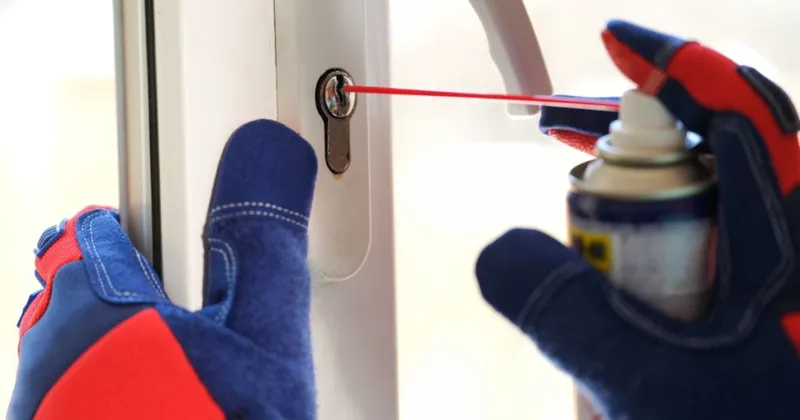
To replace a euro cylinder (barrel lock) on a uPVC door: measure the old cylinder from the centre of the fixing screw to each face of the door (e.g. 35/45mm), unscrew the single horizontal fixing screw on the door edge, turn the key slightly to align the cam, then pull the cylinder out. Fit a like-for-like replacement - or ideally a TS007-rated anti-snap cylinder from a brand such as Ultion, Brisant, or Mul-T-Lock - by reversing the steps. The job takes around 15-30 minutes and needs only a screwdriver and tape measure. If you would rather have a professional handle it, City Locksmith London offers a no-call-out-fee lock change service with labour from £69.
When Does a Barrel Lock Need Replacing?
The euro cylinder - often called a barrel lock - is the heart of your uPVC door’s security. Knowing when to replace it can prevent a lockout and ensure your home stays protected. For broader advice on uPVC locks, see our expert guide to uPVC door locks.
Replace your barrel lock if you notice any of the following:
- Difficulty turning the key - Increased resistance or the key requiring significant force
- Key getting stuck - The key jams or is hard to remove
- Visible rust or corrosion - Particularly around the keyway or on the body of the cylinder
- Frequent jamming - The lock intermittently fails to engage or disengage
- Inconsistent operation - Works sometimes but not others
- After a break-in or attempted break-in - Replace immediately, even if the lock appears undamaged
- Outdated model - Older cylinders without anti-snap protection should be upgraded regardless of condition
Tools and Materials You Will Need
Tools:
- Phillips and flat-head screwdrivers
- Tape measure
- Allen wrench (usually 5mm)
- Pliers
- Utility knife
- Safety glasses and gloves
Materials:
- Replacement euro cylinder (correct size - measured before purchase)
- Silicone-based lubricant
- Cleaning cloth
Step 1: Measure the Old Cylinder Before Removal
Measuring first avoids a wasted trip to the hardware shop. With the door open and lock in the unlocked position:
- Measure from the centre of the fixing screw to the outside face of the door
- Measure from the centre of the fixing screw to the inside face of the door
- Note the total length - e.g., 35/45mm means 35mm on the outside, 45mm on the inside (total 80mm)
This is your cylinder size. Buy a replacement of the same dimensions, or consult a locksmith if you are upgrading to a higher-security specification.
Step 2: Removing the Old Cylinder
- Put on your safety glasses and gloves
- Locate the fixing screw on the edge of the door (usually accessible when the door is open) - it runs horizontally through the door body into the cylinder
- Unscrew it completely and set aside
- Insert your original key and turn it slightly (approximately 10-15 degrees) to align the cam at the back of the cylinder with the slot in the lock body
- Pull the cylinder firmly straight out from the door
- If the door handle was obscuring access, remove it by unscrewing the handle screws on both faces
- Clean the cylinder housing with a cloth before installing the new lock
Step 3: Choosing the Right Replacement Cylinder
When purchasing a replacement, prioritise security alongside size:
- Anti-snap protection - Look for cylinders rated TS007 3-star, or a 1-star cylinder combined with a 3-star handle
- Anti-pick and anti-drill features - Standard on better-quality cylinders
- Reputable brands - Ultion, Brisant, Mul-T-Lock, and Yale all produce quality anti-snap cylinders
- Correct fixing - Ensure the cam profile matches your lock body (most UK uPVC doors use a standard euro cam)
Avoid the cheapest cylinders on the market - a budget lock fitted to a solid door is the weakest point in your security. If you would like a locksmith to supply and fit a high-security cylinder at a fixed price, see our locksmith price list for current rates.
Step 4: Installing the New Cylinder
- Clean the cylinder housing thoroughly
- Insert the new cylinder with the key in place, turning it slightly to align the cam
- Slide the cylinder fully into the lock body until it seats correctly
- Re-insert the fixing screw and tighten firmly - but do not over-tighten, which can distort the cylinder body and cause binding
- Reattach the door handle if it was removed
- Apply a small amount of silicone lubricant to the keyway
Step 5: Testing the New Lock
Do not close the door until you have tested the lock thoroughly with the door open:
- Insert the key and turn in both directions - the action should be smooth
- Check the cam engages and releases the locking points correctly
- Test from both inside and outside using all keys provided
- Engage the lock fully and attempt to open the door without the key - it should not move
- Check that any additional keys (spare copies) also operate the lock correctly
Once you are satisfied, close the door and test from both sides with the door shut.
Common Mistakes to Avoid
- Wrong measurements - The most common error; always measure before buying
- Choosing a non-anti-snap cylinder - A significant security risk on any uPVC or composite door
- Over-tightening the fixing screw - Can cause the cylinder to bind or crack
- Skipping the test phase - Always test before closing the door
- Ignoring door condition - A warped door or misaligned frame affects how the lock operates
Additional Security Upgrades for uPVC Doors
Once your cylinder is replaced, consider these complementary measures. Our guide on uPVC door locks and how to keep your house secure covers these upgrades in more detail.
- Multi-point locking system - Engages the door at multiple points rather than just one
- Door reinforcer - A metal plate that strengthens the area around the lock and letterbox
- Sash jammers - Prevent the door being forced open even when locked
- Anti-snap handle - A 3-star handle combined with a 1-star cylinder achieves the highest TS007 rating at lower cost
- Door alarm sensor - Integrates with a home alarm system to trigger if the door is opened
Need Help Replacing a uPVC Door Cylinder?
City Locksmith London can replace your euro cylinder quickly and correctly, supplying and fitting high-security anti-snap cylinders across London. Our uPVC locksmith team specialises in these locks, and we also offer a complete lock change service if additional locks need upgrading.