
The Latest Trends in Locksmith Technology: What You Need to Know
How Locksmithing Has Evolved
Locksmithing is one of humanity’s oldest professions - the earliest known locks date to Ancient Egypt, around 4000 BC. For most of that history, progress was mechanical: better metals, more complex pin arrangements, stronger bolts.
In the past two decades, however, the pace of change has accelerated dramatically. Modern locksmithing now sits at the intersection of traditional craftsmanship, electronics, software, and cybersecurity. Understanding these trends matters whether you are a homeowner considering a security upgrade, a business owner managing multiple access points, or simply curious about how your front door lock might look in ten years.
Smart Locks: The New Standard
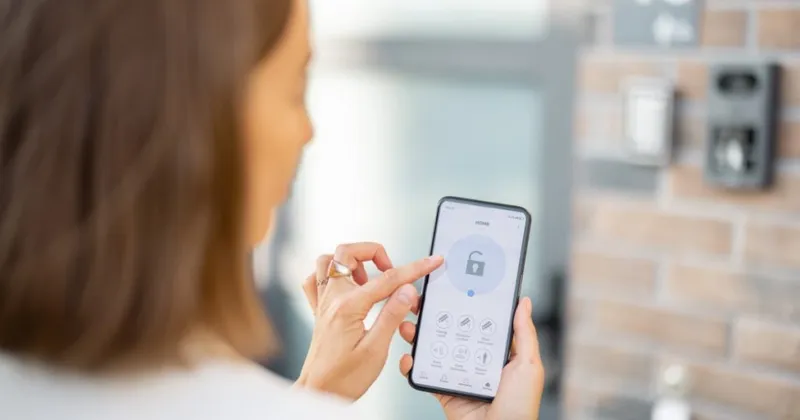
Smart locks have moved from novelty to mainstream in the UK residential market. These devices replace or augment traditional cylinders with electronic access mechanisms controlled via:
- Smartphone apps (Bluetooth or Wi-Fi)
- Keypad PIN entry
- Key cards or fobs
- Voice assistants (Amazon Alexa, Google Home)
Advanced models incorporate end-to-end encryption and two-factor authentication to ensure that digital access is as secure as - or more secure than - a physical key.
The real advantage of smart locks lies in flexibility: granting temporary access to tradespeople, checking whether the door was locked remotely, and reviewing entry logs at any time.
Popular UK Smart Lock Brands
- Yale - Conexis L1, Linus, and Assure ranges
- Nuki - Retrofit design works over most existing cylinders
- August - Strong app integration with Apple HomeKit
- Brisant Ultion - High-security smart cylinder options
Biometric Locks: Your Body as Your Key
Biometric access uses physiological characteristics to verify identity. Technologies in use include:
- Fingerprint recognition - The most common; fast and reliable in most conditions
- Facial recognition - Camera-based systems that can recognise faces in under a second
- Iris scanning - Highly accurate, increasingly affordable
- Voice recognition - Convenient but sensitive to environmental noise
Biometric locks eliminate the risks associated with lost or duplicated keys. They are particularly well suited to commercial properties, data centres, and residential buildings with multiple occupants where key management is complex.
Keyless Entry Systems
Keyless systems have been the norm in commercial buildings for decades, but they are now widely deployed in residential settings too.
Common formats include:
- PIN keypads - Simple, low-maintenance, and easy to update after a security event
- Proximity cards and fobs - Tap-to-enter convenience for multi-unit buildings
- Mobile credentials - Smartphone used as the access credential via NFC or Bluetooth
These systems also enable access logging - a record of who entered, when, and for how long - which is invaluable for commercial premises, rental properties, and shared workspaces.
Locksmith Software: Running a Modern Operation
Behind the scenes, locksmith businesses are increasingly technology-driven:
- Key coding software - Calculates key cuts for thousands of lock profiles
- Inventory management - Tracks lock stock, cylinder types, and key blanks
- Scheduling and dispatch - Optimises engineer routing and response times
- Customer management - Records previous work and access control configurations
Better software means faster, more accurate service - directly benefiting customers through shorter wait times and fewer return visits.
3D Printing: Keys on Demand
3D printing technology has introduced new possibilities for key duplication. Using a high-resolution photograph or scan of an existing key, a locksmith can print a functional duplicate - useful when the original is unavailable for copying in person.
This technology cuts both ways: it highlights the importance of keeping keys out of sight (photographs of keys in pockets or on social media can be used to duplicate them), and it expands the range of replacement options for rare or discontinued key profiles.
Cybersecurity: The New Frontier for Locksmiths
With network-connected locks comes a new category of vulnerability: digital attack. Smart locks that are poorly implemented or running outdated firmware can, in theory, be compromised remotely.
This has created a new discipline within locksmithing - cyber locksmithing - focused on:
- Ensuring firmware is kept current
- Verifying that lock manufacturers use strong encryption protocols
- Advising customers on securing their home networks
- Responding to compromised digital access credentials
When selecting a smart lock, prioritise manufacturers who publish their security practices and release regular firmware updates.
What This Means for Homeowners and Businesses
The broadening of locksmithing into digital security does not make traditional skills obsolete - physical security remains the foundation. But it does mean that the best locksmiths are those who combine mechanical expertise with digital literacy.
When choosing a locksmith for a security upgrade, ask whether they are familiar with the smart lock brands you are considering, and whether they can advise on integrating physical and digital security into a coherent strategy.
Future-Proof Your Security with City Locksmith London
City Locksmith London stays at the forefront of security technology, offering installation and advice on smart locks, keyless entry systems, and access control alongside traditional lock and key services.