
Top Guidelines for Changing a Yale Lock
When and Why to Change Your Yale Lock
Yale locks are one of the most common types of door lock found on UK homes. They’re reliable, affordable, and straightforward to use - but like all mechanical devices, they have a lifespan, and there are situations where changing them is the sensible choice.
Reasons to Change Your Yale Lock
Lost or Stolen Keys
If your keys have been lost or you suspect they’ve been stolen, changing your lock should be your immediate priority. Even if you think they were simply misplaced, the risk of an unknown person having access to your home is not worth taking. A lock change is quick and relatively inexpensive - the peace of mind it provides is invaluable.
Moving Into a New Property
When you move into a rented or purchased property, you have no way of knowing who else has a copy of the existing keys - previous tenants, estate agents, tradespeople, or former owners. Changing the locks as soon as you move in is standard good practice.
Worn or Deteriorating Lock
Locks that are stiff, noisy, or require significant force to operate are wearing out. A worn lock is both inconvenient and less secure. If your Yale lock is more than ten years old and showing signs of wear, replacing it is a worthwhile investment.
Security Upgrade
Older Yale locks may not meet current security standards. If your home insurance policy requires locks to meet a certain rating, or you simply want better protection, upgrading to a higher-specification model makes sense.
Types of Yale Lock
Yale manufactures several categories of lock:
- Traditional cylinder locks - Key-operated rim locks and cylinder deadlocks; the most common type found on UK front doors
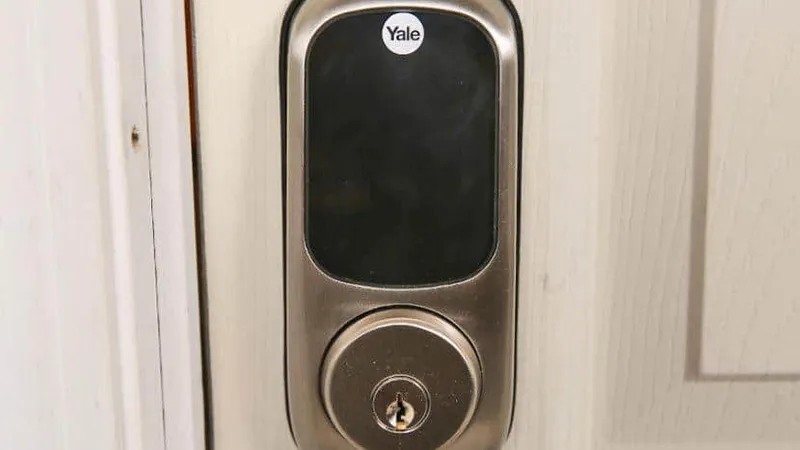
- Smart locks - App-controlled locks with keypad, fingerprint, or Bluetooth entry; ideal for those who want keyless convenience
- Mortice locks - Fitted into the edge of the door, providing stronger resistance to forced entry than rim locks
How to Choose the Right Replacement
When selecting a new Yale lock, look for the following:
- British Standard BS 3621 - This certification means the lock has been independently tested for security and is typically required by home insurers
- Anti-snap cylinder - Essential for any euro-cylinder lock fitted to a uPVC door; snap attacks are one of the most common forced-entry methods
- Anti-drill and anti-pick ratings - Additional security features worth considering for high-risk areas
- Security rating - Look for locks with a Secured by Design approval or similar rating
DIY Installation
Changing a Yale rim lock yourself is achievable for most practical homeowners. The basic process is:
- Remove the old lock by unscrewing it from the door face and removing the cylinder
- Check the measurements of the new lock match your door (backset, cylinder size)
- Insert the new cylinder and secure with the retaining screw
- Fit the lock body to the door face using the provided screws
- Test the lock several times with the key before closing the door
Take care not to overtighten screws, as this can distort the lock body and cause stiffness.
When to Call a Professional
If you’re not confident with the installation, or if you need to change to a more complex lock type (such as a mortice lock or multi-point system), it’s worth calling a qualified locksmith. A professional will ensure the lock is correctly fitted, properly aligned with the keep, and performing at its full security level.
A locksmith can also advise you on the best lock for your specific door and security requirements - good advice that could save you from buying an unsuitable product.
For professional lock fitting in London, see our lock change service.
Improve Your Home Security Today
Whether you need a straightforward Yale lock swap or a full security upgrade, City Locksmith’s team is on hand to help. We supply and fit a wide range of locks meeting British Standards for residential and commercial properties, and all our work is guaranteed.