
Office Lockout: The Do's and Don'ts
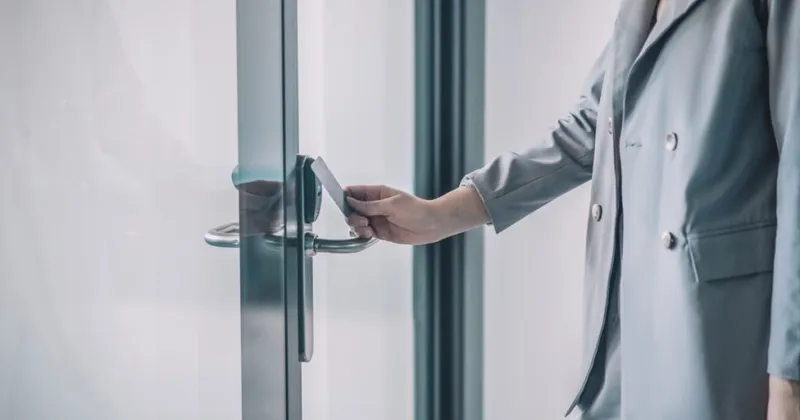
An Office Lockout Can Strike at Any Time
Whether it is a misplaced key fob, a failed access card, or a broken lock, an office lockout disrupts productivity and creates security concerns. Knowing how to respond - and how not to respond - can make the difference between a minor inconvenience and a costly incident.
What Causes Office Lockouts?
Understanding the most common causes helps you put preventative measures in place:
- Lost or misplaced keys and fobs - the single most frequent cause
- Worn or damaged locks - gradually failing mechanisms that choose the worst possible moment to give up
- Key broken inside the lock - caused by excessive force on a stiff lock, or a worn key that snaps under pressure
- Electronic access control failure - power outages, software glitches, or hardware faults can disable keycard readers and digital locks
- Keys left inside - particularly common in offices with self-locking doors
The Do’s During an Office Lockout
Stay Calm and Assess
Panic leads to poor decisions and potentially expensive damage. Take a moment to assess the situation clearly before taking any action. Is there another entrance? Does a colleague, building manager, or security team member have access?
Notify the Right People
Contact your building manager or facilities team immediately. In managed office buildings, they often hold master keys or have direct contact with maintenance contractors. If you are in a serviced building, the on-site team may be able to assist without any additional cost.
If the lockout involves a security concern - for example, if you suspect the lock has been tampered with - notify your security team and, if appropriate, the police.
Contact a Professional Locksmith
If building management cannot help, call an emergency locksmith. A reputable locksmith will:
- Attend quickly - most can reach central London locations within 30-60 minutes
- Open the door without causing damage to the lock or door frame
- Identify any underlying problem with the lock that needs to be addressed
- Replace a damaged or insecure lock on-site if required
Before calling, check whether your building’s insurance policy or facilities contract covers lockout callouts, as you may be able to recover the cost.
Keep the Area Supervised
Do not leave an unsecured area unattended while awaiting assistance. A locked door provides obvious security; a half-open door or a lobby with an unlocked access point does not.
The Don’ts During an Office Lockout
Don’t Attempt to Force the Door
Kicking a door, using improvised tools, or trying to lever the frame are likely to cause expensive damage - and may not even work on a quality commercial lock. Repair costs will almost certainly exceed a locksmith’s call-out fee.
Don’t Break Windows
Breaking glass creates an obvious security vulnerability. Until the window is repaired (which is expensive and rarely immediate), the office is unsecured. It also creates a potential health and safety risk.
Don’t Ask Unverified People to Help
Well-meaning colleagues with DIY experience, or strangers offering to “help out,” are more likely to cause damage than resolve the issue. Professional locksmiths carry liability insurance; unofficial helpers do not.
Don’t Ignore the Underlying Cause
Once access is restored, take time to understand why the lockout happened. A worn lock that caused one lockout will cause another. An access control system that failed once may have a deeper configuration issue. Addressing the root cause now prevents a repeat.
Preventing Future Office Lockouts
Implement Key Control Policies
Maintain a register of who holds keys and access credentials. When an employee leaves, collect all keys promptly and consider rekeying or reprogramming affected locks.
Consider Keyless Access Control
Electronic access control systems eliminate physical keys entirely. Lost fobs or cards can be deactivated instantly from a management portal. Access can be granted or revoked remotely, and an audit trail is maintained automatically.
Keep Locks and Hardware Maintained
Schedule annual checks of all door locks, hinges, and closers. A stiff lock that requires heavy force to operate is already on its way to failure - and eventually to causing a lockout.
Have an Emergency Lockout Plan
Every office should have a written procedure for lockouts, including:
- Contacts for the building manager and a trusted locksmith
- Who holds master keys and how to reach them out of hours
- What to do if the primary contact is unavailable
For businesses across London, City Locksmith London provides rapid emergency lockout response and professional lock change services to keep your office secure.