
All You Need to Know About Door Lock Installation
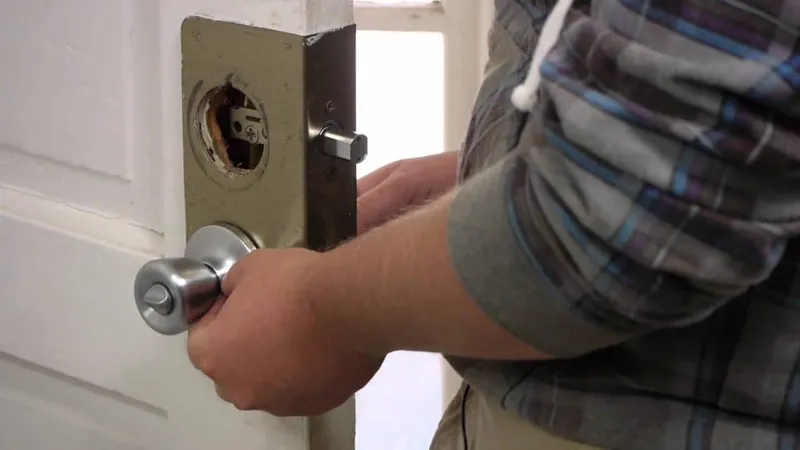
The Right Lock, Correctly Fitted, Makes All the Difference
Door lock installation sits at the intersection of home security and practical skill. Get it right, and you have years of reliable protection. Get it wrong - wrong lock type, wrong fitting, misaligned strike plate - and the installation may offer far less security than you assume.
This guide covers the main lock types, how to select the right one, and what the installation process involves.
Types of Door Locks
Mechanical Locks
Mechanical locks operate entirely without electricity, using physical mechanisms such as keys, pins, and levers.
Deadbolts are the most common choice for residential exterior doors. When locked, a solid steel bolt extends into the door frame, resisting both shimming and forced-entry attacks. Available in single cylinder (key outside, thumb-turn inside) and double cylinder (key required on both sides) configurations.
Mortice locks are set into a cavity (mortice) cut into the door body. They are highly resistant to forcing as the lock body is entirely enclosed. Five-lever mortice deadlocks certified to BS 3621 are the standard recommended by insurers for wooden external doors.
Knob and lever locks incorporate a latch bolt operated by turning the handle. Used primarily on internal doors for privacy. Not appropriate as the sole security mechanism on any exterior door.
Padlocks provide portable security for gates, sheds, and outbuildings. For good security, choose a closed-shackle model from a reputable brand.
Electronic Locks
Keypad locks allow access via a numeric code, removing the need for a physical key. Codes can be changed easily, and many models support multiple user codes - useful for rental properties or shared workspaces.
RFID locks grant access when a programmed card or fob is presented to the reader. Standard in commercial and multi-tenant residential buildings.
Biometric locks authenticate users by fingerprint or facial recognition. Very secure and convenient, but higher cost and requiring occasional re-enrolment.
Smart Locks
Smart locks connect to your home network via Bluetooth, Wi-Fi, or Z-Wave and can be controlled via smartphone. Features typically include remote locking and unlocking, temporary access codes, entry logs, and smart home integration. They retain a keypad or physical key backup for situations where the electronic system is unavailable.
Choosing the Right Lock for Your Door
Security Ratings
In the UK, the British Standards Institution (BSI) certifies locks independently. For exterior residential doors:
- BS 3621 - the minimum standard required by most home insurers; applicable to mortice and rim locks
- TS007 3-star - the highest rating for Euro cylinders; required on uPVC/composite doors for equivalent insurer compliance
- Secured by Design - police-preferred specification covering both mechanical and electronic locks
Door Type Compatibility
uPVC and composite doors use multi-point locking systems with a Euro cylinder. The cylinder is the replaceable security component; choose an anti-snap, anti-pick, anti-drill cylinder rated to TS007 3-star.
Wooden doors suit mortice deadlocks (for solid timber doors of adequate thickness - typically at least 45mm) and rim locks as a secondary device.
Metal and aluminium doors require specialist locks designed for the frame type - consult a locksmith for the specific requirements.
Budget
Mechanical locks certified to BS 3621 represent excellent value - a good quality five-lever mortice lock starts at around £30-£60 for the lock body, with fitting on top. Electronic and smart locks start at around £80-£100 and rise to £200+ for premium models. See our locksmith price list for a realistic guide to total fitted costs.
The Lock Installation Process
Tools Required for DIY Fitting
- Tape measure and pencil
- Drill with appropriate bits
- Hole saw (for cylinder locks)
- Sharp wood chisel and mallet
- Screwdrivers (flathead and crosshead)
- Lockset with manufacturer’s template
Step-by-Step Guide
-
Mark the lock position: Use the manufacturer’s paper template (included with most locks) to mark the centre of the cylinder hole and the bolt/latch hole on the door edge.
-
Drill the cylinder hole: Using a hole saw of the specified diameter, drill through the door face from both sides (drill halfway from each side to avoid splintering).
-
Drill the bolt hole: Drill into the door edge at the marked position, keeping the drill level.
-
Chisel the faceplate recess: Using the faceplate as a template, mark and chisel a recess so that the faceplate sits flush with the door edge.
-
Fit the lock body: Insert the lock mechanism and secure with the supplied screws.
-
Mark and chisel the strike plate recess: Close the door and operate the bolt to mark the strike plate position on the frame. Chisel a recess and mortice for the bolt.
-
Fit the strike plate: Secure with screws - for exterior doors, use 75mm screws to reach the structural timber behind the door casing.
-
Test thoroughly: Operate the lock through multiple cycles before fitting the door furniture and confirming the installation complete.
When to Use a Professional
Professional installation is strongly recommended when:
- The door type is composite, uPVC, or aluminium with a multi-point system
- You are fitting a new lock type that requires new holes or a mortice pocket
- The door frame needs reinforcement work
- You are installing an electronic or smart lock
- You want the installation guaranteed by a qualified locksmith
City Locksmith London provides professional lock installation across all door types and can advise on the best lock for your specific situation.
Lock Maintenance After Installation
To keep your new lock working reliably:
- Lubricate the keyway and bolt mechanism every six months with graphite powder or a silicone spray
- Inspect annually for loose screws, wear on internal components, or any door alignment issues
- Replace worn keys before they cause problems - a key cut from a worn key perpetuates the wear
Book Professional Installation
Whether you need a straightforward lock change or a complete security upgrade, City Locksmith London offers fast, guaranteed lock installation services across London.