
5 Things to Know Before Requesting Key Duplication
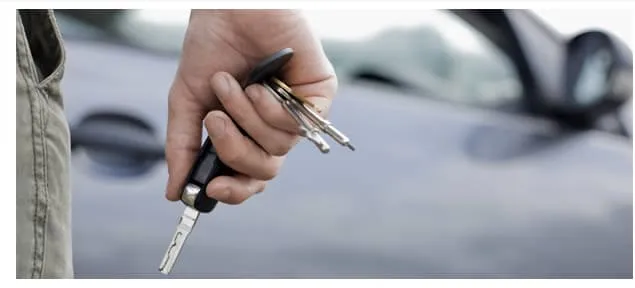
Key Duplication: More to It Than You Might Think
Getting a key copied seems like the simplest task a locksmith can perform. In most cases it is - but there are situations where it is more complex than expected, and others where copying a key without understanding the implications can create security problems you did not intend.
Here are five things worth knowing before you request a key duplicate.
1. Not All Keys Can Be Duplicated at a Standard Cutting Service
Traditional Keys
Standard home and office keys - the kind with a simple blade profile - can be copied at most key cutting services, locksmiths, and some hardware shops. If you have a basic Yale-style or mortice key, this is straightforward.
High-Security Keys
Many modern locks use patented key profiles that are deliberately restricted. These keys cannot be legally duplicated without authorisation - the key blank is only available to approved locksmiths, and may require a card or code provided with the original. The purpose is to prevent unauthorised copying.
If your key has a brand name, a small stamp, or the phrase “do not duplicate” on it, treat that as an indicator that a standard cutting service will not - or should not - copy it.
Transponder and Smart Keys
Vehicle keys for most cars manufactured in the last 25 years contain an electronic chip or use RFID technology. Cutting the blade is only part of the job - the chip also needs to be programmed to your specific vehicle. This requires specialist equipment and cannot be done at a basic key cutting counter.
An auto locksmith or a main dealership can supply and programme transponder and smart keys.
2. Quality Matters More Than Price
Key blanks come in a range of qualities. A duplicate cut from a poor-quality blank may work initially but wear faster than the original and eventually cause problems - either failing to operate the lock cleanly or becoming difficult to remove.
A locksmith using professional-grade blanks and precision cutting equipment will produce a duplicate that performs as reliably as the original. Saving £1 on a cheap high-street key cut is rarely worth it for a key you rely on daily.
3. Accuracy Is Everything
A key that is cut slightly inaccurately may still operate the lock, but it will gradually wear the internal pins - shortening the lifespan of the lock and eventually making both the copy and the original harder to use.
The precision of the cutting machine and the skill of the operator both affect accuracy. Automated key-cutting machines with digital key code databases tend to produce the most accurate results, particularly for complex profiles.
Always test a duplicate key in the lock before relying on it. If it feels stiff or requires more effort than the original, take it back and ask for it to be checked.
4. There Are Legal and Security Considerations
Restricted Keys and “Do Not Duplicate”
While “do not duplicate” stamped on a key has no legal force in the UK, most professional locksmiths will decline to copy a key that is clearly restricted to prevent duplication. Patented key systems are different - copying these without authorisation may breach intellectual property law.
If you are a landlord or property manager, consider using a patented or restricted key system precisely because it prevents tenants or previous occupants from having keys copied without your knowledge.
Authorisation for Vehicle Keys
Locksmiths cutting and programming transponder keys will require proof that you own or are authorised to use the vehicle. This is a standard protection against vehicle theft, not a bureaucratic hurdle.
5. Think About Key Control from the Start
The best time to think about how many copies of your keys exist - and who holds them - is when you first move into a property or take ownership of a vehicle, not after a security incident.
Consider:
- How many copies exist and who has them - tradespeople, previous tenants, estate agents
- Whether a restricted key system would suit your property - particularly relevant for rental properties and commercial premises
- Where spare keys are stored - a key safe with a combination code is far more secure than a key under a flowerpot
If you have lost track of how many copies of your keys are in circulation, the safest solution is a lock change rather than chasing down copies. A new lock means a fresh start with known key control.
Need Keys Cut or Locks Changed?
For professional key duplication, restricted key systems, or a full lock change, our team can help. For pricing information, see our locksmith price list.
To discuss your specific situation and get a quote, contact our team.